How Materialism affects Self growth?
Learn how materialism effects self growth, confidence, mental health, and relationships in modern conscious living.

We live in a world where success is often measured by money, luxury, followers, and lifestyle. Social media constantly tells people to buy more, earn more, and show more. But very few people stop and ask an important question: how materialism affects self growth in real life.
For many Gen Z individuals, materialism does not always look obvious. It can appear as endless comparison, pressure to keep up with trends, emotional shopping, or attaching self worth to possessions. While wanting comfort and financial stability is normal, excessive attachment to material things can slowly damage emotional growth, focus, peace, and identity.
This article explores how materialism influences self growth, mindset, relationships, and long term happiness while also offering practical ways to create a more conscious and balanced life.
Table of Contents
- What Is Materialism
- Why Gen Z Is Deeply Affected by Materialism
- How Materialism Affects Self Growth
- Emotional and Mental Effects of Materialism
- Real Life Mini Case Studies
- Common Mistakes People Make
- How to Build a Balanced Mindset
- Actionable Takeaways for Conscious Living
- FAQ
What Is Materialism
Materialism is the belief that possessions, money, status, or external success are the main sources of happiness and identity. A materialistic mindset often focuses heavily on appearance, luxury, validation, and consumption.
Materialism itself is not entirely bad. Everyone wants security, comfort, and quality experiences. Problems begin when people depend on external things for self worth or emotional satisfaction.
For example, buying a phone because you genuinely need it is practical. Buying one mainly to impress others or feel accepted reflects emotional attachment to status
Why Gen Z Is Deeply Affected by Materialism
Gen Z grew up in a digital environment where comparison happens every minute. Social media platforms constantly expose users to curated lifestyles, expensive fashion, luxury travel, and unrealistic standards of success.
This creates invisible pressure.
A person scrolling through social media for one hour may unconsciously compare their body, lifestyle, income, or achievements with hundreds of people. Over time, this can shift attention away from personal growth toward external validation.
Several factors increase materialistic thinking among Gen Z:
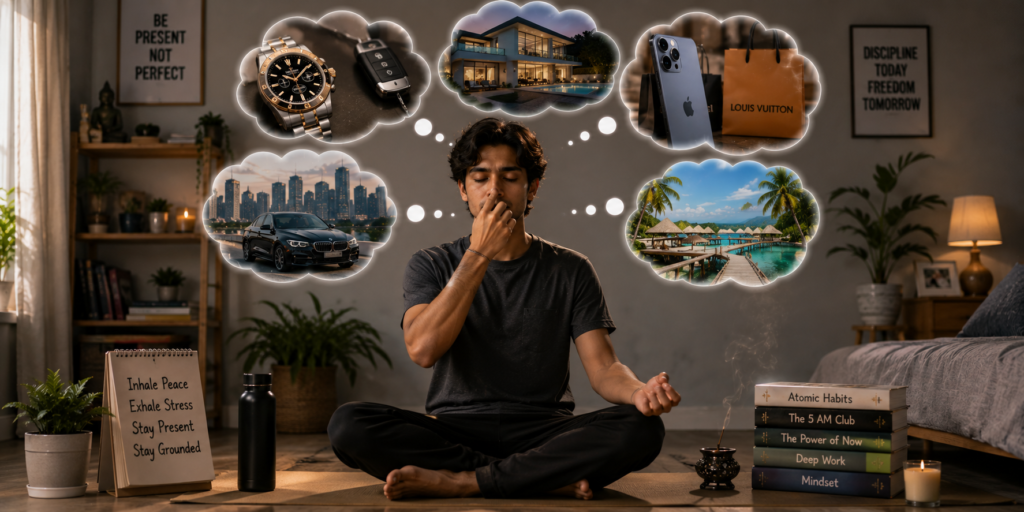
Social Media Validation
Likes, comments, and followers often become emotional rewards. People begin linking their identity with online approval.
Fast Consumer Culture
Modern marketing encourages instant gratification. New trends appear every week, making people feel outdated quickly
Fear of Missing Out
Many people buy things not because they need them but because they fear being left behind socially.
How Materialism Affects Self Growth
Understanding how materialism affects self growth requires looking beyond money. The deeper issue is where attention and emotional energy are directed
Reduced Self Awareness
Personal growth requires reflection, silence, and inner understanding. Materialism keeps people externally focused all the time
Instead of asking:
“What kind of person am I becoming?”
People start asking:
“How do others see me?”
This weakens self awareness and emotional maturity
Constant Comparison Damages Confidence
Comparison creates insecurity. Someone may have a good life but still feel unhappy after seeing another person’s success online.
This mindset prevents gratitude and self acceptance, both of which are important for growth
Short Term Pleasure Replaces Long Term Development
Materialism often encourages quick pleasure over meaningful progress.
Examples include:
- Impulse shopping instead of investing in skills
- Chasing trends instead of building discipline
- Seeking attention instead of building character
Real growth usually comes from patience, learning, consistency, and emotional resilience.
Identity Becomes Dependent on Possessions
When people attach identity to brands, appearance, or wealth, they become emotionally unstable. Losing status or money can suddenly damage confidence.
Healthy self growth comes from internal qualities such as wisdom, creativity, empathy, discipline, and emotional strength.
Emotional and Mental Effects of Materialism
Materialism affects more than financial habits. It also impacts mental health and emotional peace
Anxiety and Pressure
Trying to maintain a perfect image can become mentally exhausting. Many people feel pressure to constantly upgrade their lifestyle even when financially stressed
Anxiety and Pressure
Trying to maintain a perfect image can become mentally exhausting. Many people feel pressure to constantly upgrade their lifestyle even when financially stressed
Emotional Emptiness
People often experience temporary excitement after buying something new. However, the feeling fades quickly. This creates a cycle of wanting more without feeling truly fulfilled
Reduced Mindfulness
Materialistic thinking keeps the mind busy with future desires and social comparison. It becomes harder to appreciate the present momen
Real Life Mini Case Studies
Case Study 1: The Constant Upgrader
A college student bought expensive gadgets every year to match friends online. Despite having the latest products, he constantly felt financially stressed and emotionally dissatisfied.
Later, he shifted focus toward learning graphic design and building freelance skills. Over time, he reported feeling more confident and fulfilled because his identity was no longer dependent on possessions
Case Study 2: The Minimal Lifestyle Shift
A young content creator reduced unnecessary shopping and limited social media consumption for three months. She started journaling, reading non fiction books, and spending more time offline.
The result was improved focus, lower anxiety, and better emotional clarity
Common Mistakes People Make
Confusing Luxury with Happiness
Comfort can improve life, but it cannot replace emotional stability or meaningful relationships.
Using Shopping as Emotional Escape
Many people shop during stress, loneliness, or boredom. This creates emotional dependency.
Ignoring Inner Growth
People often spend years improving appearance or status while neglecting emotional intelligence, discipline, and mental health
How to Build a Balanced Mindset
Practice Conscious Consumption
Before buying something, ask:
“Do I truly need this, or am I trying to fill an emotional gap?”
Invest in Experiences and Skills
Skills, knowledge, relationships, and health create long term value.
Reduce Comparison Triggers
Limit exposure to content that constantly makes you feel inadequate.
Build Internal Confidence
Focus on habits that improve your character, not just your image.
Actionable Takeaways for Conscious Living
- Spend more time improving your mind than improving your online image
- Create goals based on growth, not validation
- Practice gratitude daily
- Learn mindful spending habits
- Invest in books, skills, and meaningful experiences
- Take regular breaks from social media
- Develop hobbies that are not connected to status or money
FAQ
How materialism affects self growth negatively
Materialism can reduce self awareness, increase comparison, and create dependency on external validation instead of internal growth
Can materialism affect mental health
Yes. Excessive materialism is often linked with anxiety, stress, dissatisfaction, and emotional emptiness because happiness becomes dependent on external things
How can someone avoid a materialistic mindset?
Practicing mindfulness, limiting comparison, investing in personal growth, and focusing on meaningful experiences can help reduce materialistic thinking.